
Materials · 6 min read
Can you refinish a fiberglass or acrylic tub? Yes — and it's a different job
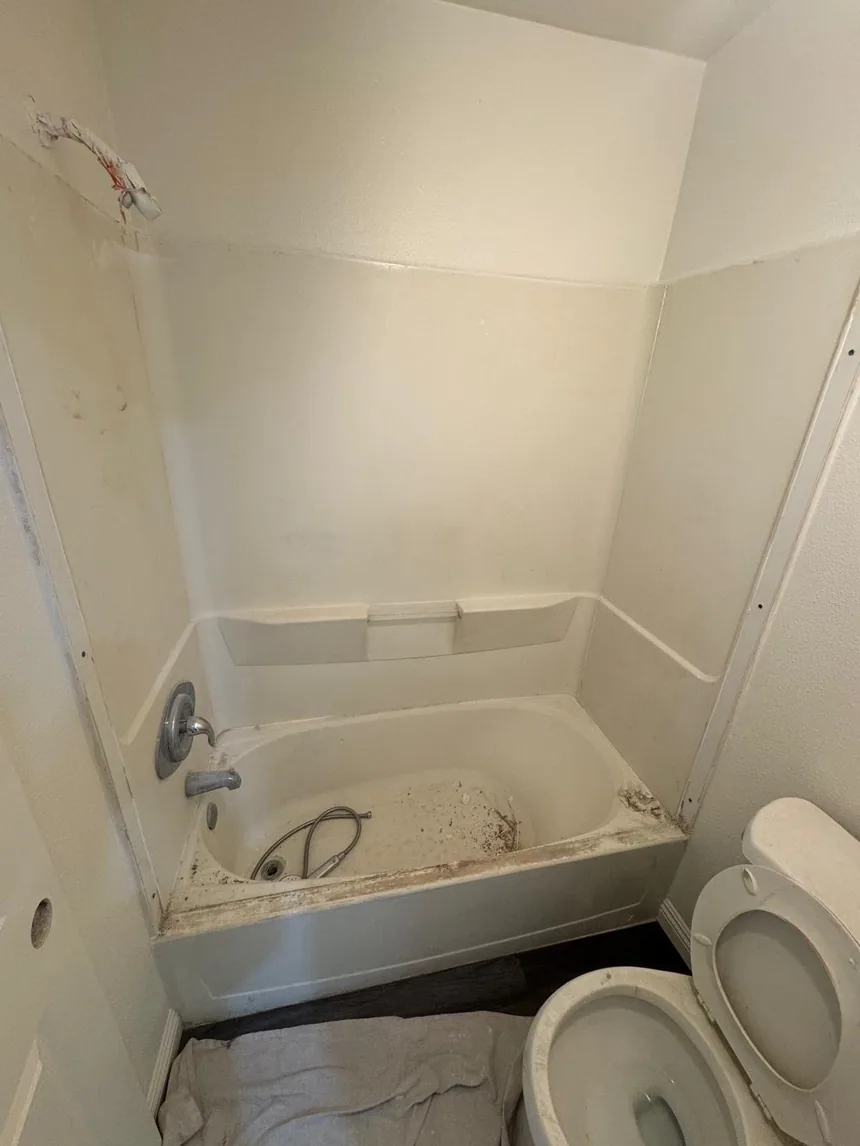 Before
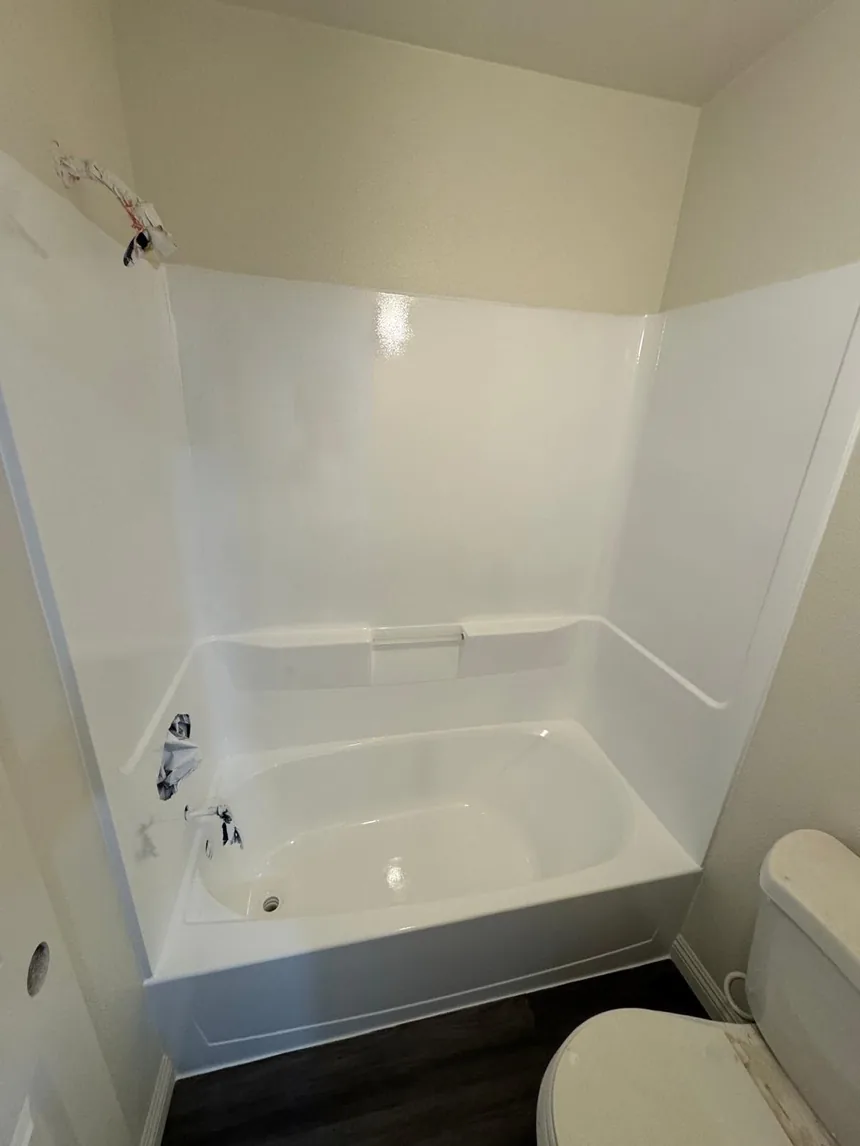 After
After
Short answer: yes. Fiberglass and acrylic tubs and shower units refinish perfectly well, and in a lot of cases they're a better candidate than porcelain, because there's usually less damage to repair.
The preparation is genuinely different, though, and anyone who treats a fiberglass tub the way they'd treat a cast iron one is going to have a problem.
How to tell what you've got
Two quick tests:
- Tap the side. Fiberglass and acrylic sound hollow and slightly plasticky. Porcelain over steel rings. Cast iron makes a dull thud and barely sounds at all.
- Press the floor of the tub. If it gives slightly underfoot or under your hand, it's fiberglass or acrylic.
There's also an age clue. Molded one-piece tub-and-shower units became standard from the seventies onwards, so if you're in a newer development — Irvine, Huntington Beach, the newer parts of Anaheim — that's very likely what you have.
What goes wrong with fiberglass (it isn't rust)
A fiberglass tub isn't really fiberglass on the surface. It's a gel coat — a thin, hard, glossy layer over the structural fiberglass underneath. Everything you see and touch is that gel coat, and everything that goes wrong is the gel coat wearing through.
It goes dull and chalky
The classic fiberglass complaint. The surface loses its gloss, develops a faint powdery feel, and stops coming clean. Abrasive cleaners speed this up dramatically — gel coat is much softer than porcelain, so a scouring pad that would take years to dull a cast iron tub will haze fiberglass in months.
It scratches
Same cause. Fine scratches hold dirt, which makes the tub look permanently grubby, which makes people scrub harder, which produces more scratches. It's a loop, and refinishing breaks it.
It cracks where it flexes
This is the one that worries people, and it looks alarming: fine spidery cracks, usually radiating from around the drain or in the middle of the floor.
They're stress cracks in the gel coat, caused by the tub flexing under weight. The cause is almost always inadequate support underneath — a tub that wasn't bedded properly when it was installed, or where the bedding has degraded.
Filling a flex crack without addressing the flex just moves the problem to next year. If the floor still moves, the new finish will crack along the same line.
Proper support underneath the tub floor has to be restored as part of the job. If someone quotes you to fill spider cracks without ever mentioning why they appeared, that's a warning sign.
Why the preparation is different
With a porcelain tub, most of the work is repairing chips and rust, then etching a very hard glaze so something can bond to it.
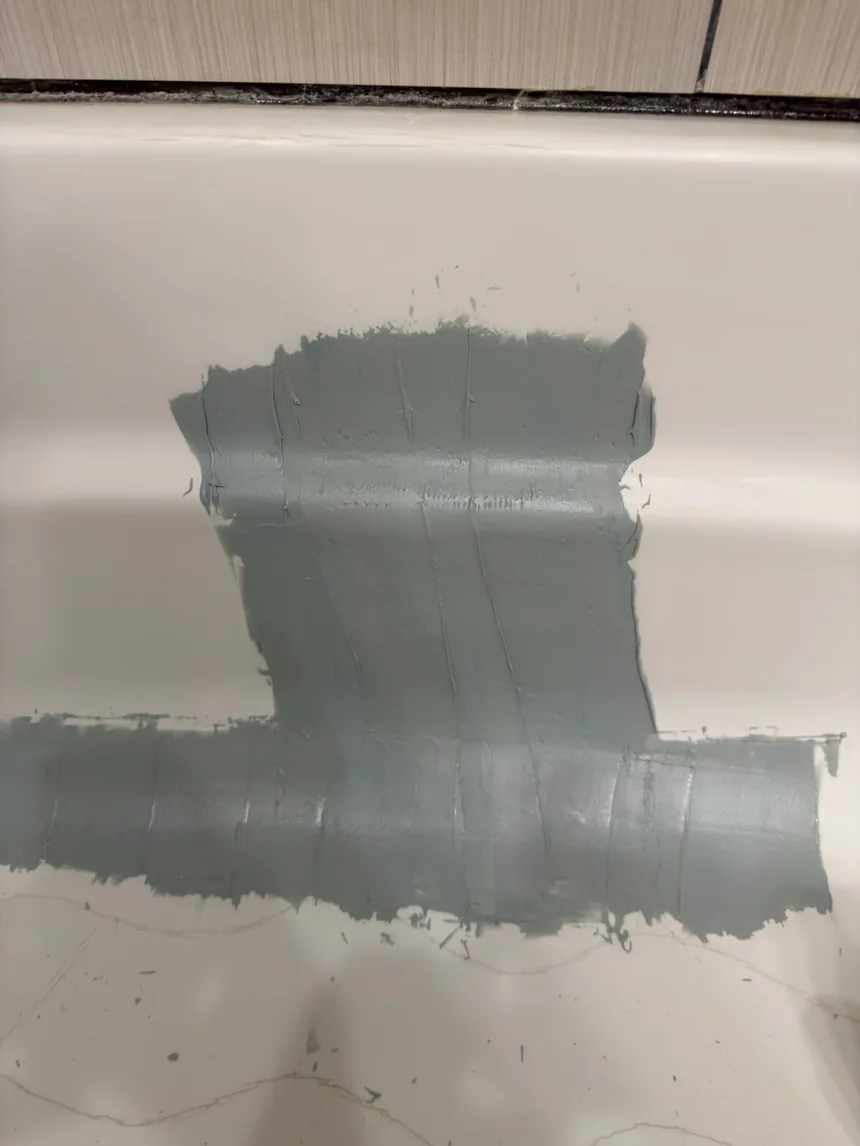
With fiberglass it's close to the reverse:
- More sanding, less filling. The gel coat is softer and is abraded mechanically rather than etched aggressively.
- Structural work first. Flex cracks and soft spots are supported and repaired before anything cosmetic happens.
- Gentler chemistry. Preparation products meant for porcelain can attack a gel coat. Using the wrong ones does visible damage.
- Contamination matters more. Gel coat is porous once it's worn, so soap and oil residue soaks in and has to come out.
Why refinishing beats replacing a molded unit
Here's the thing most owners of a one-piece tub-and-shower unit don't realize until they get a quote.
A molded unit is usually installed before the walls are finished. It's larger than the bathroom door. Getting it out means cutting it up in place, and getting a new one in means opening a wall — or buying a multi-piece replacement unit that has seams where the original had none.
So what looks like the easy tub to replace is frequently the hardest one in the house. Refinishing it sidesteps the entire problem: nothing comes out, nothing gets cut, no wall is opened.
What you get back
A hard, smooth, non-porous surface in the color you choose — which, on a tub whose original gel coat had gone chalky, is usually a bigger visible change than people expect.
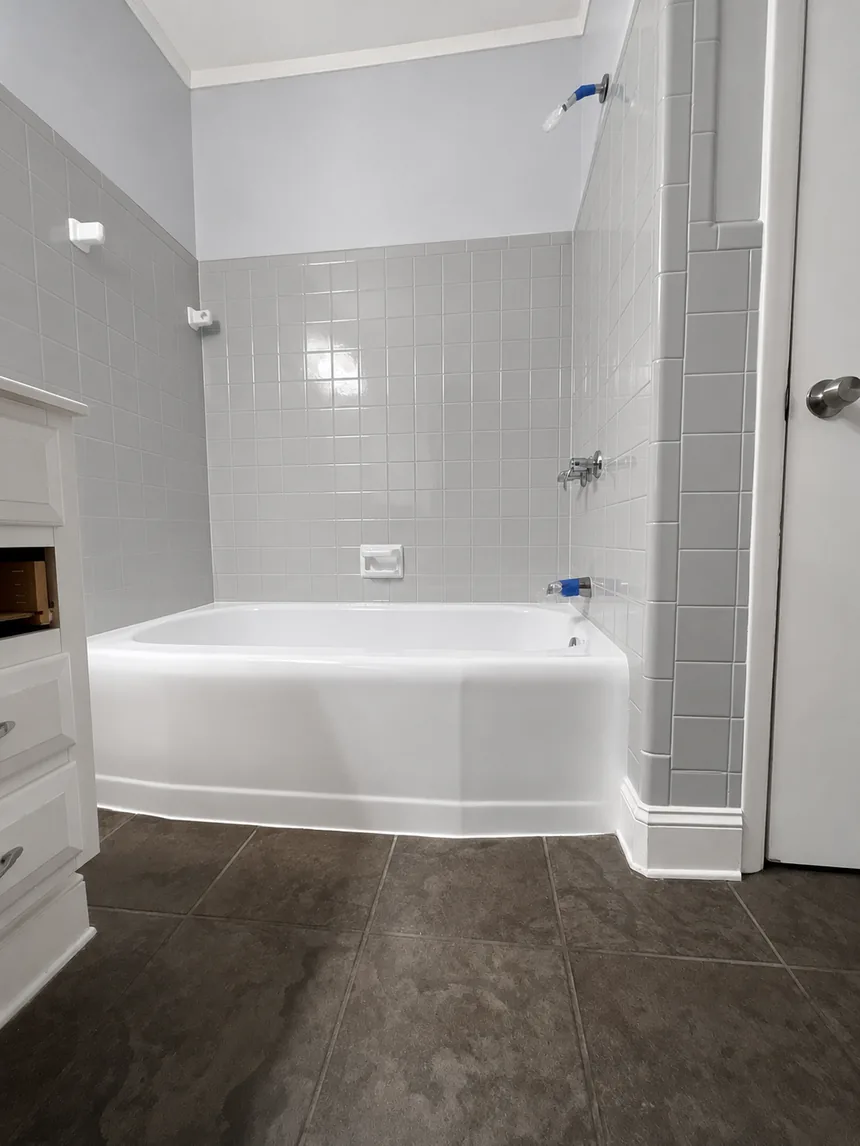
Aftercare matters more on fiberglass than on anything else we do, precisely because abrasives caused the original problem. Non-abrasive cleaner and a soft cloth, and it'll stay glossy. There's more detail in how to care for a reglazed bathtub.
Not sure which material you've got? Send a photo when you ask for an estimate — it's usually obvious from a picture, and it changes the quote.