
Materials · 7 min read
Refinishing a cast iron bathtub: why the old ones are worth saving
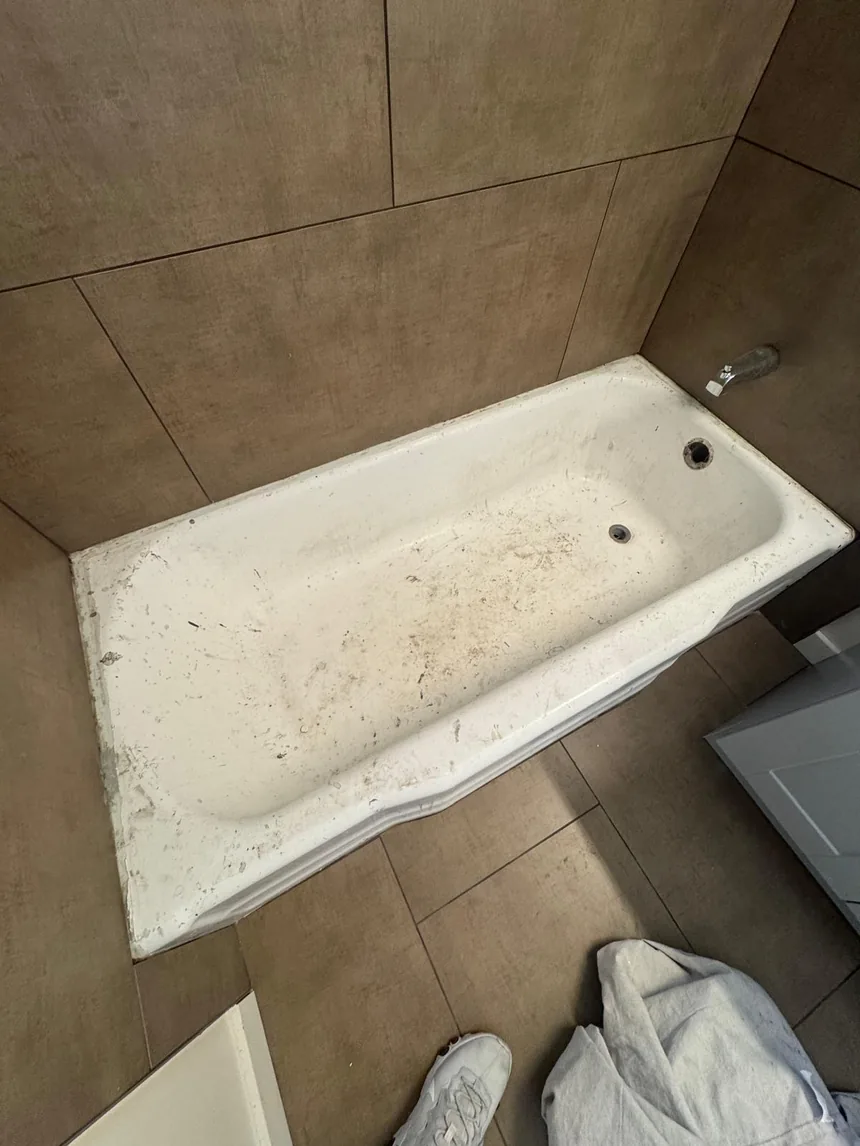 Before
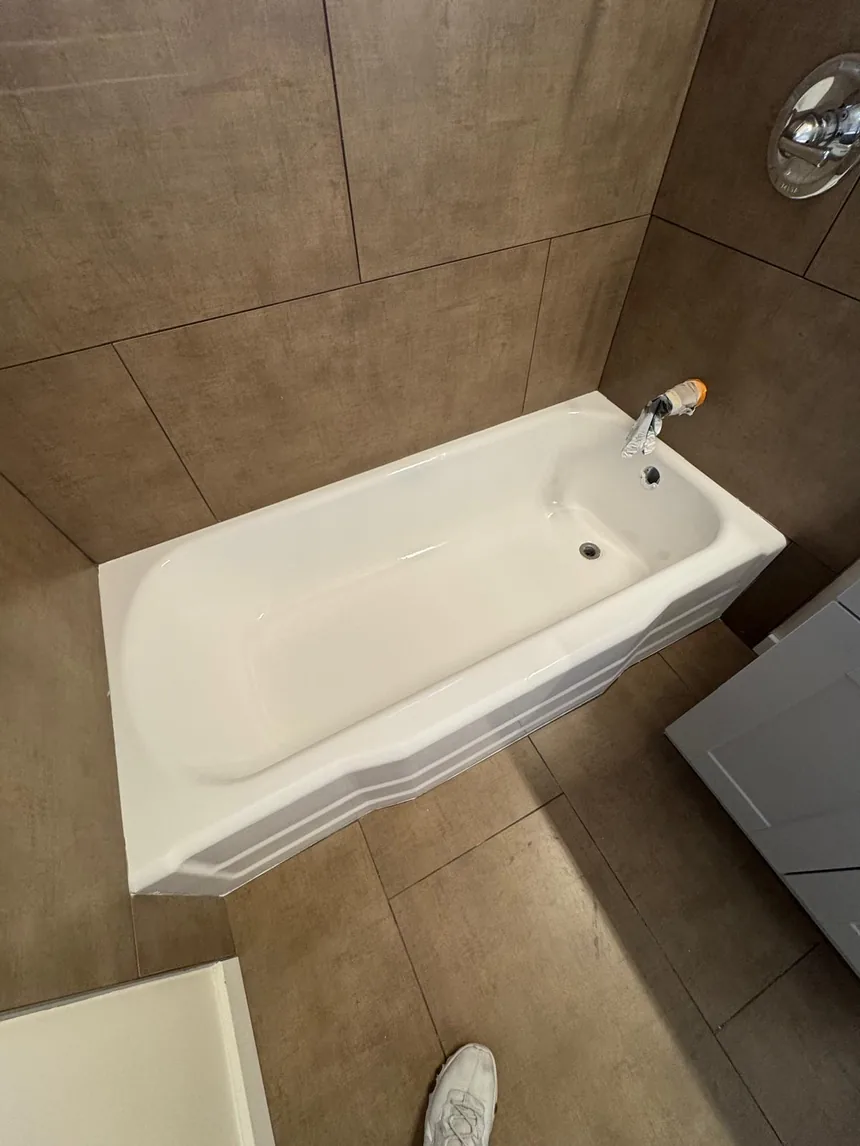 After
After
If your house was built before about 1950 and nobody has remodeled the bathroom since, there's a good chance you have a cast iron tub. In Pasadena, Long Beach and the older parts of Los Angeles, it's more likely than not.
It is almost certainly worth keeping, and not for sentimental reasons.
What cast iron actually is
A cast iron tub is exactly what it sounds like: a tub cast in iron, then coated in porcelain enamel fired on at high temperature. The enamel is thick, hard and genuinely fused to the iron — it isn't a paint or a plating.
The result is a tub that's effectively permanent. A hundred-year-old cast iron tub is usually structurally perfect. It doesn't flex, it doesn't fatigue, and the iron underneath isn't going anywhere. What ages is the enamel on top of it, and only the enamel.
You're not looking at a worn-out tub. You're looking at a perfect tub with a worn surface — which is the single best case refinishing has.
The removal problem
Here's the practical argument, and it's the one that decides it for most people once they hear it.
A standard cast iron tub weighs somewhere in the region of 300 to 500 pounds. It was very often put into the room before the doorway was framed, and in old Southern California houses with narrow hallways and small bathrooms, there's frequently no route out that doesn't involve taking something apart.
So "replacing" a cast iron tub in practice means one of:
- Breaking it up in place with a sledgehammer — loud, messy, sharp, and it showers enamel shards everywhere.
- Taking out a section of wall or a doorframe to get it out whole.
- Several people and a genuine risk of damaging the floor, the stairs or themselves on the way.
And then the tiled surround usually comes off with it, and the plumbing gets re-run, and you're in a full bathroom remodel that started as "the tub looks tired".
In hillside and canyon housing — Laguna Beach is the clearest case we work in — there may be no realistic route out of the house at all.
What replaces it usually isn't as good
The other half of the argument: modern replacements for cast iron are mostly steel or acrylic. They're lighter, cheaper, and they don't hold heat the way cast iron does. Anyone who has taken a bath in both knows the difference — cast iron warms up and stays warm, and a thin steel tub does not.
In a period house there's also the look. A deep, heavy, slightly old-fashioned tub with rolled edges in a 1920s bathroom looks right. The same room with a modern alcove tub in it looks like a bathroom with a budget decision in the middle of it.
Why cast iron is the least forgiving to refinish
This is the part worth knowing before you hire anyone.
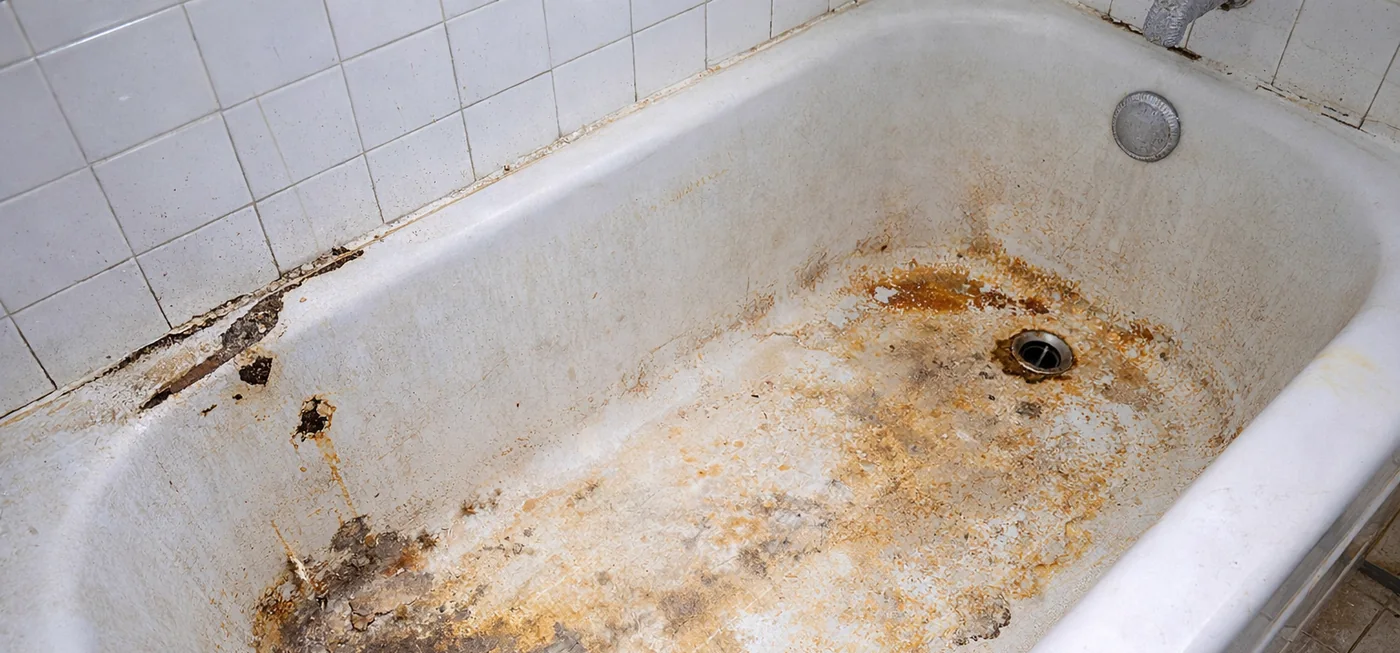
Fired porcelain enamel is the hardest surface we work on. It's also completely non-porous and extremely smooth, which is exactly what makes it a good bathtub surface and exactly what makes bonding to it difficult.
Preparation is the whole job. The surface has to be thoroughly decontaminated and then properly etched or abraded to create a profile for the new finish to key into. Cut that corner on cast iron and it will fail — more reliably than on any other material, because there's nothing for the coating to hold onto.
We go through the failure modes in detail in why refinishing peels.
Rust, and cutting back properly
Where the enamel has chipped through to the iron, rust starts and spreads outward beneath the surrounding enamel. That's why the stain always looks bigger than the chip.
The repair has to cut back to sound material before filling. Filling over live rust hides it for a few months and then lifts the finish from below.
Claw-foot tubs
Free-standing claw-foot tubs are a special case and a satisfying one. The inside gets refinished like any other cast iron tub. The outside — which on many old tubs was painted rather than enamelled — can be finished in a different color entirely, which is how you get the white-inside, deep-color-outside look that people pay a great deal for in reproduction tubs.
The feet are usually cast separately and can be dealt with as their own piece.
Color, in an old bathroom
One practical note. Bright modern white can look wrong in a period bathroom, especially against original tile that has aged into a softer tone. Next to it, a brilliant white tub reads as new and slightly plastic.
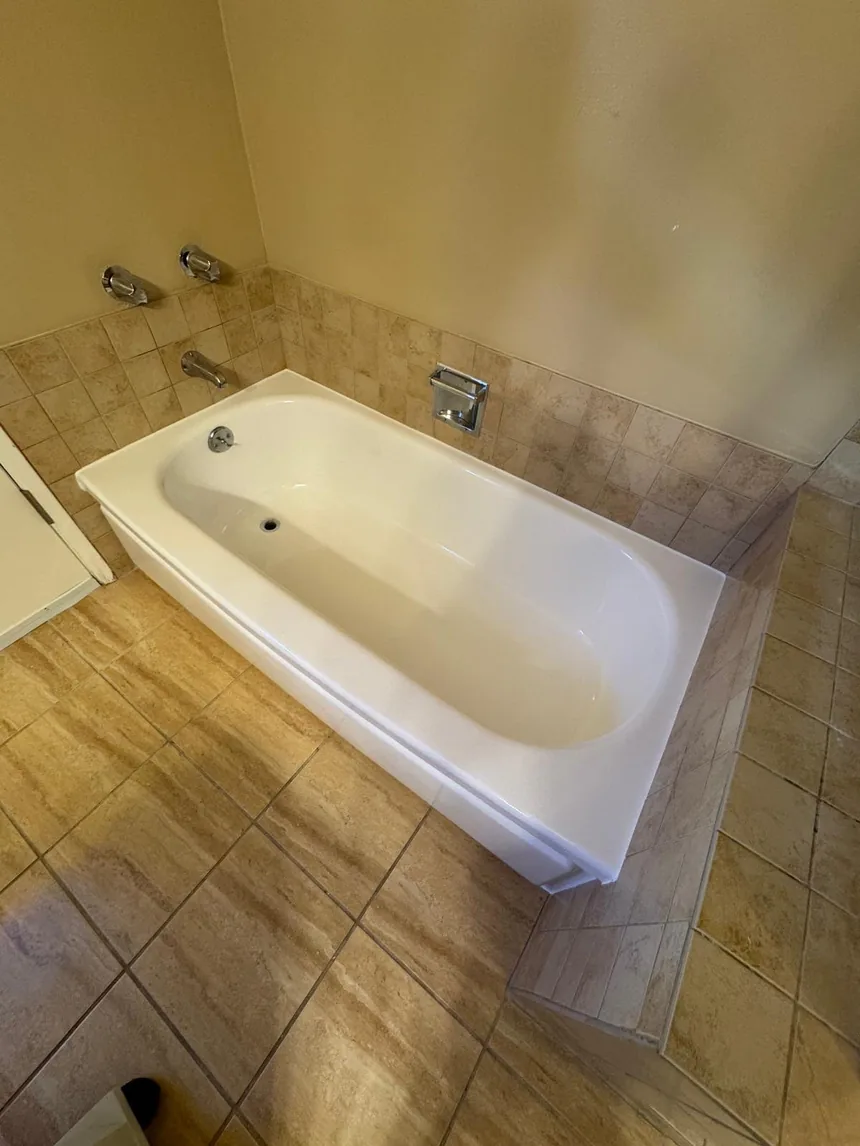
Bone and off-whites usually sit better, and matching to what's already in the room is a normal request rather than a difficult one. Worth thinking about before the day rather than after.
If you've got an old tub and you're not sure whether it's worth doing, send a photo. Cast iron is usually the easiest call we make — and if yours is one of the cases where it genuinely isn't worth it, we'll tell you that too.