
What to expect · 6 min read
How long does bathtub refinishing take, start to finish?
People asking this are usually asking one of two different things, and the answers are nothing like each other:
- How long is somebody in my bathroom? 3–5 hours for most jobs, and it's a single visit.
- How long before I can actually use the tub again? 24 hours from when we finish.
The second one is the one that matters for planning, and it's the one that gets glossed over. Put them together and a tub we do on Tuesday is yours again on Wednesday — as long as nobody touches it in between.
Both numbers move, and the rest of this is what moves them, so you can work out in advance whether yours is a normal job or one of the long ones.
What the visit actually consists of
Refinishing is mostly preparation. The spraying is the short part and the least interesting part. A normal job runs through these stages, in this order:
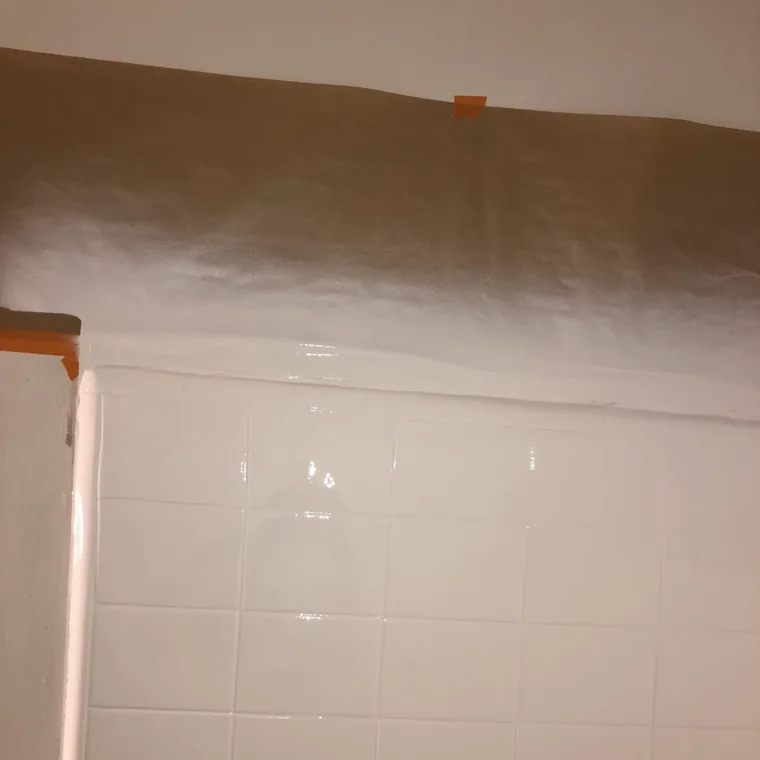
Masking the room
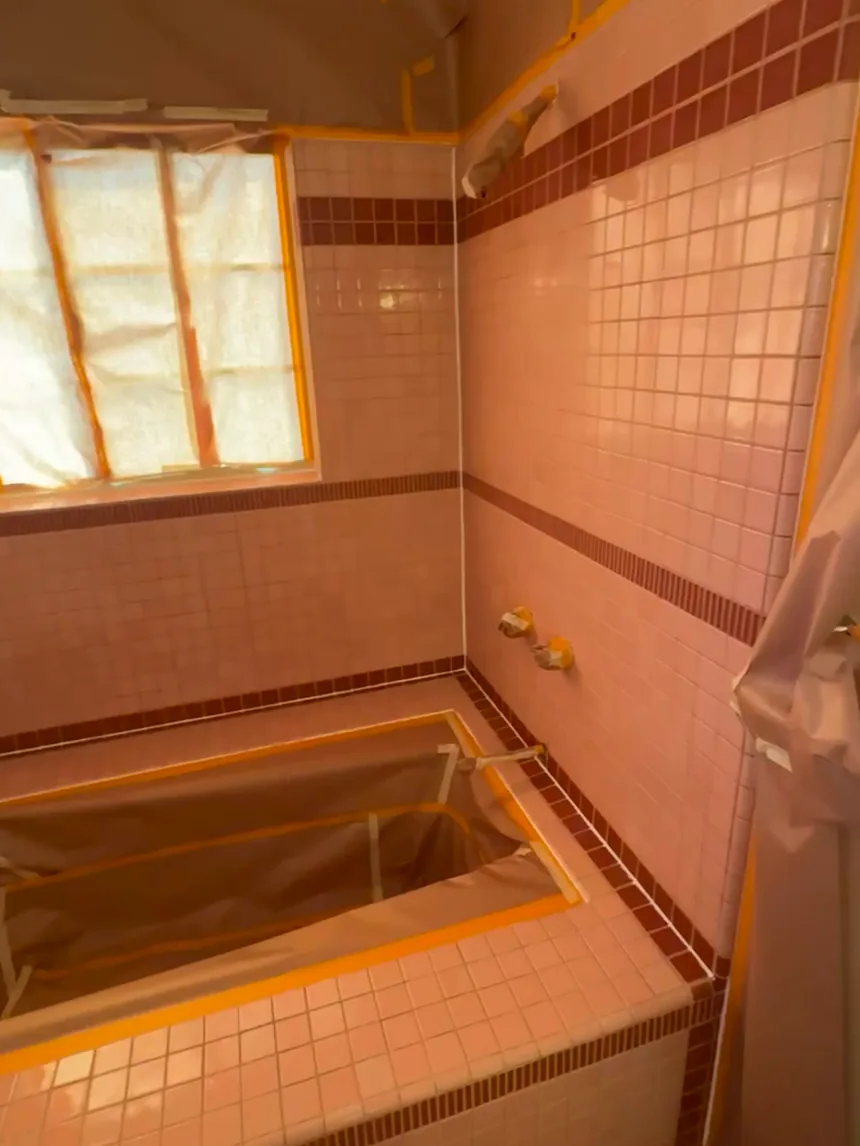
Everything that isn't being refinished gets papered and taped: fixtures, mirror, floor, walls, the toilet, the window. Overspray is a fine mist that settles on every surface in the room and does not clean off afterward.
It's the least photogenic part of the job and it's the part that decides whether you're happy at the end of it.
Stripping, if there's an old coating
If the tub has been refinished before, the old finish has to come off first. This is the single biggest variable in how long a job takes — it can add a substantial block of time on its own.
It's also why we ask on the phone. A job with stripping in it and a job without are genuinely different jobs.
Repairs
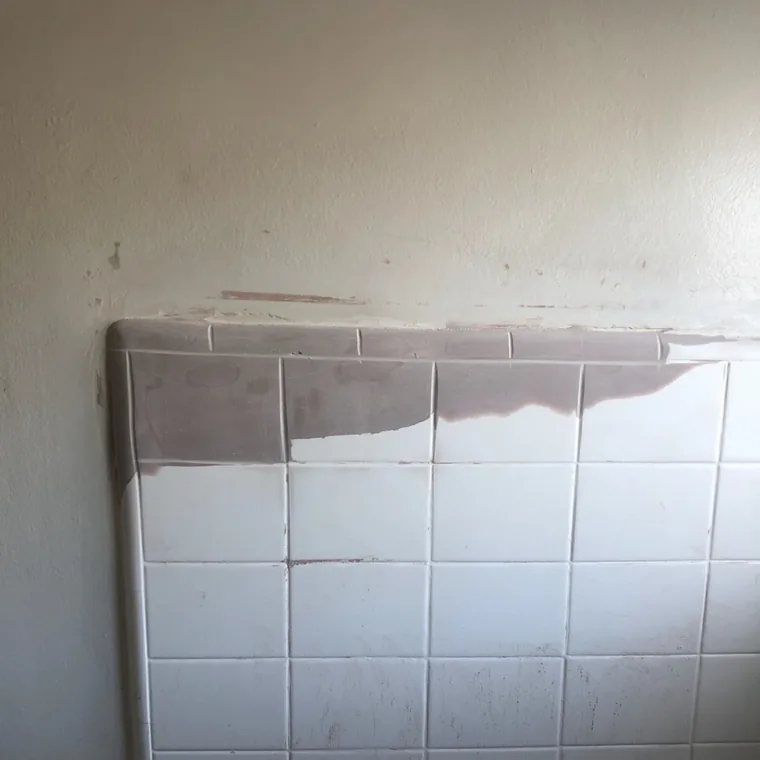
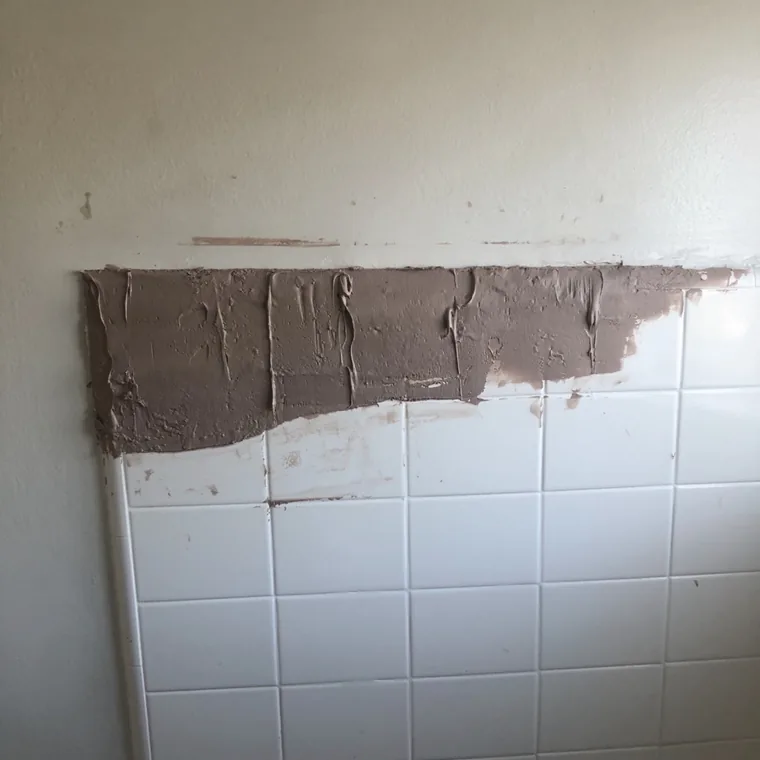
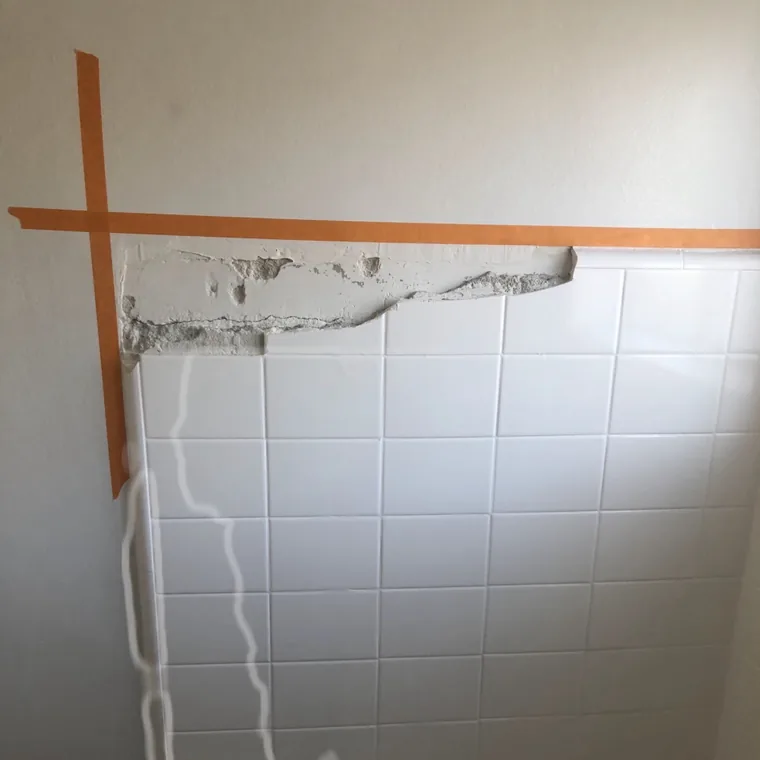
Chips cut back and filled, rust cut back to sound material, cracks addressed, old caulk removed. Then everything sanded flat so the repair disappears rather than showing as a patch.
Fillers need their own time to set before anything can go over them.
Cleaning and etching
Decontaminating the surface and then giving it a profile so the new finish bonds instead of sitting on top. This is the step that decides whether the job lasts ten years or ten weeks — see why refinishing peels.
Spraying
Several coats, one over the other, with flash time between them so each can set up before the next goes on. This is the part everyone pictures and it's a modest share of the visit.
Unmasking and walking through it with you
Everything comes off, the room gets put back, and you look at the finished work together while we're still standing there.
The part that isn't the visit: curing
Here's the thing to plan around. The job isn't finished when we leave. The finish continues to harden afterward, and until it has, it's vulnerable.
Drying and curing are not the same thing. A surface can feel completely dry and still be soft underneath.
Using a tub before it's cured is the most common way a good job gets ruined, and it can't be undone — the marks are in the finish, not on it.
For our work that's 24 hours. After 24 hours the tub can be used and touched normally, and we'll confirm it on the day rather than leaving you to read it off a tin.
We say it on the day because the room has a vote. Humidity and ventilation genuinely affect how a finish hardens, which matters more in coastal bathrooms in Santa Monica or Huntington Beach than it does inland, and more in a bathroom with no window than in one you can open.
If you're ever unsure on the day, ask rather than guess. Waiting longer costs you nothing. Waiting less can cost you the whole job.
What makes a job take longer
- A previous coating. The biggest single factor.
- Extensive rust. Every chip has to be cut back individually.
- Doing the tile as well. More area to mask, prepare and coat — though far quicker than doing it as a separate visit later.
- Flex cracks in fiberglass. The support underneath has to be dealt with, not just the crack.
- Awkward access. Narrow stairs, hillside houses, tight bathrooms.
What makes it quicker
- Telling us what the tub is made of and whether it's been coated before.
- Sending photos, so the right materials arrive with us.
- Clearing the bathroom beforehand — shelves, cabinets, anything on the floor.
- Doing the tub, tile, sink and counter in the same visit. The masking is the overhead, and it happens once.
Planning around it
If it's the only bathroom in the house, say so when you book. That's a scheduling consideration, and it's better handled in advance than discovered.
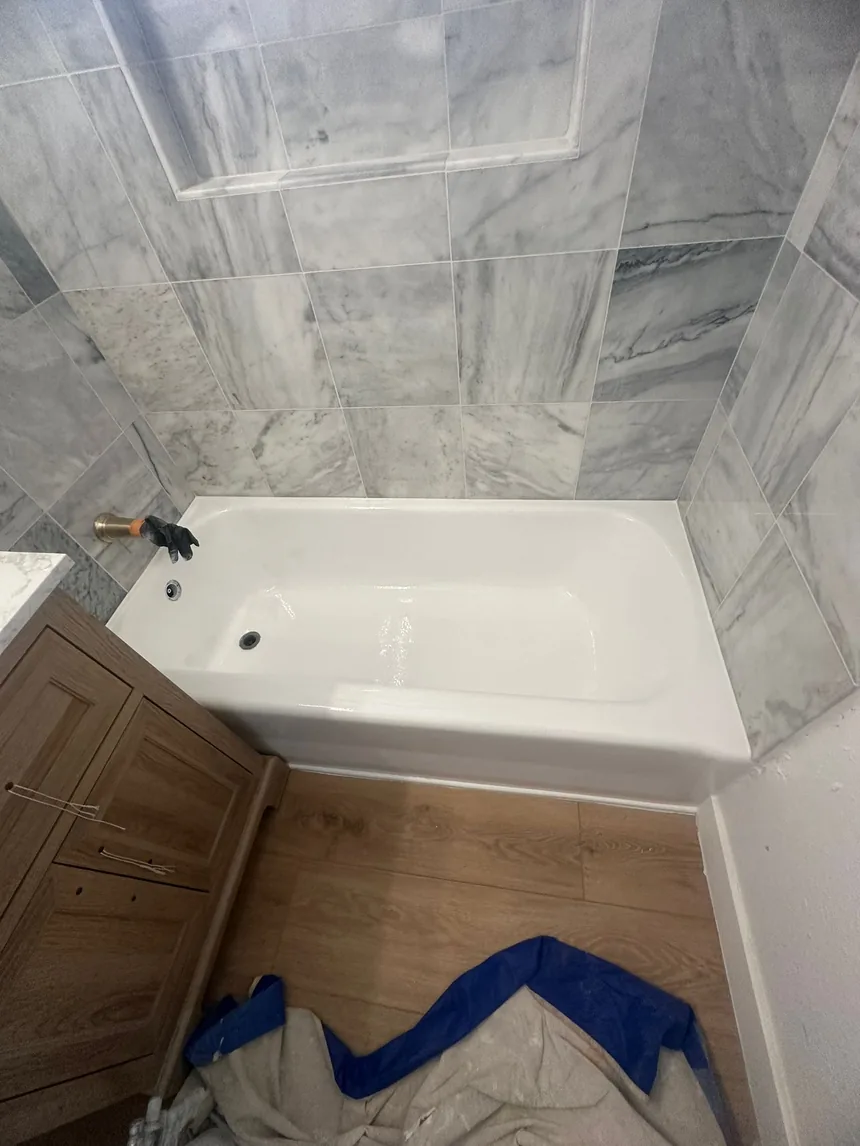
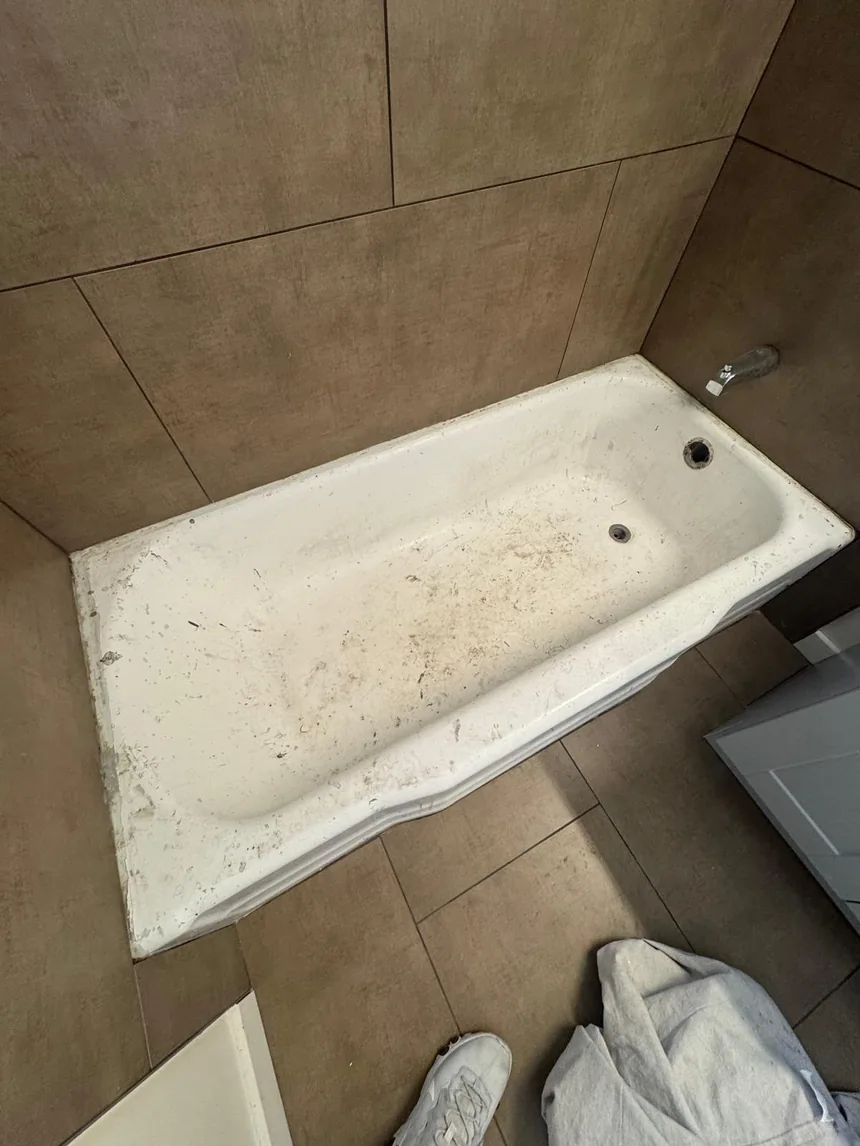 Before
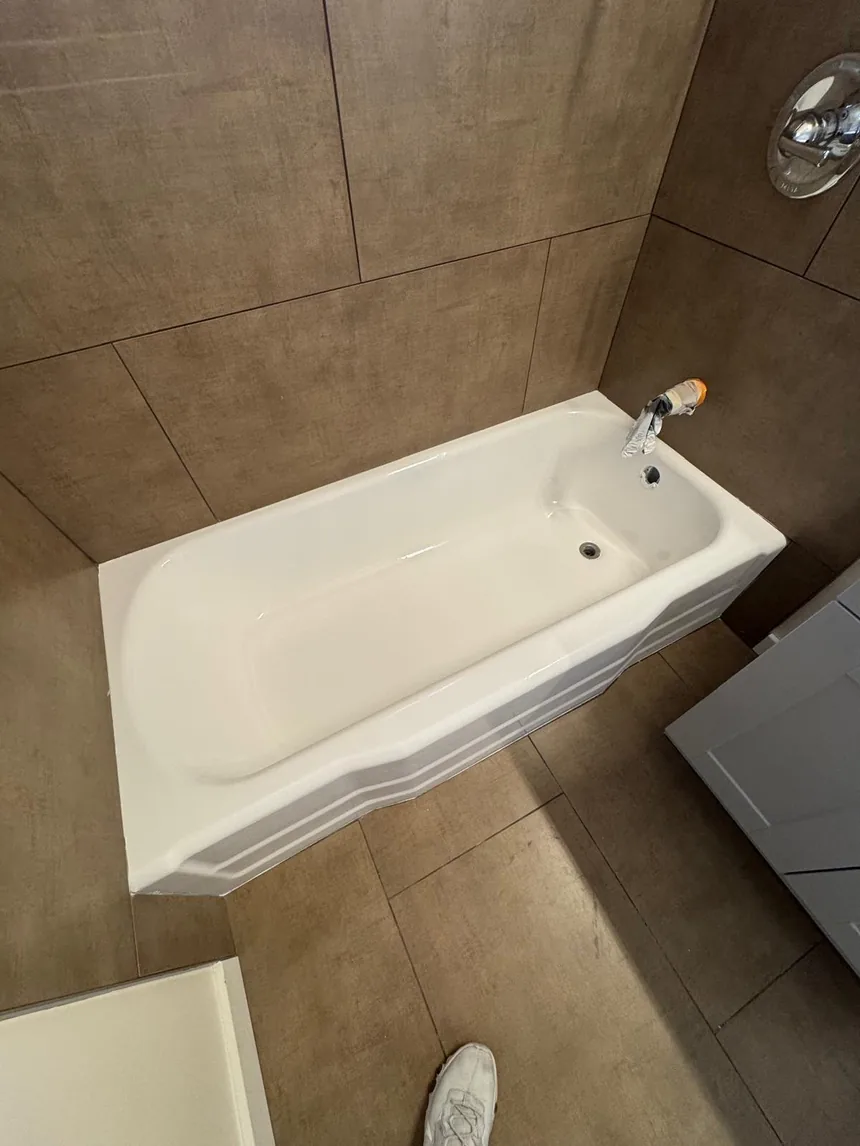 After
After
If it's a rental turnover, the same applies in reverse — the useful thing is knowing the date the unit has to be ready, and working back from it. There's more on that in reglazing for rental turnovers.
Either way, you'll get a real number for your job before anyone starts.